Build a Strong Suhoor
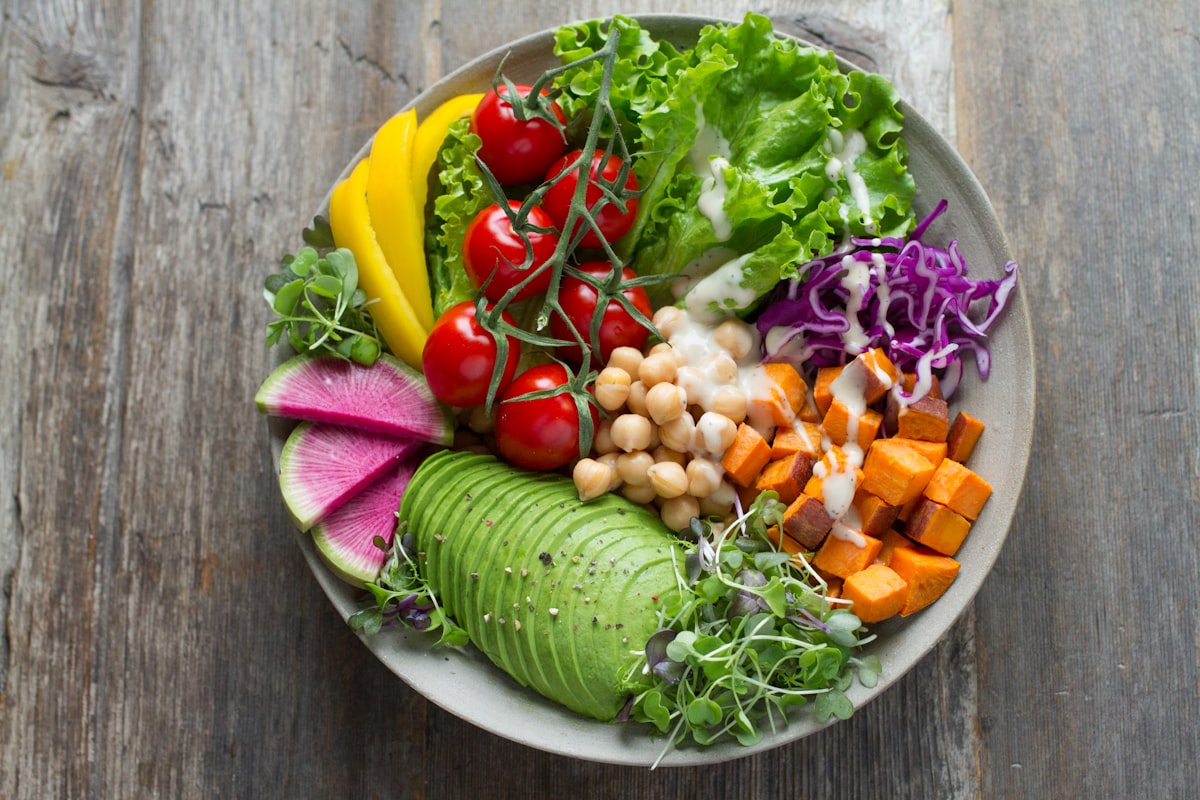
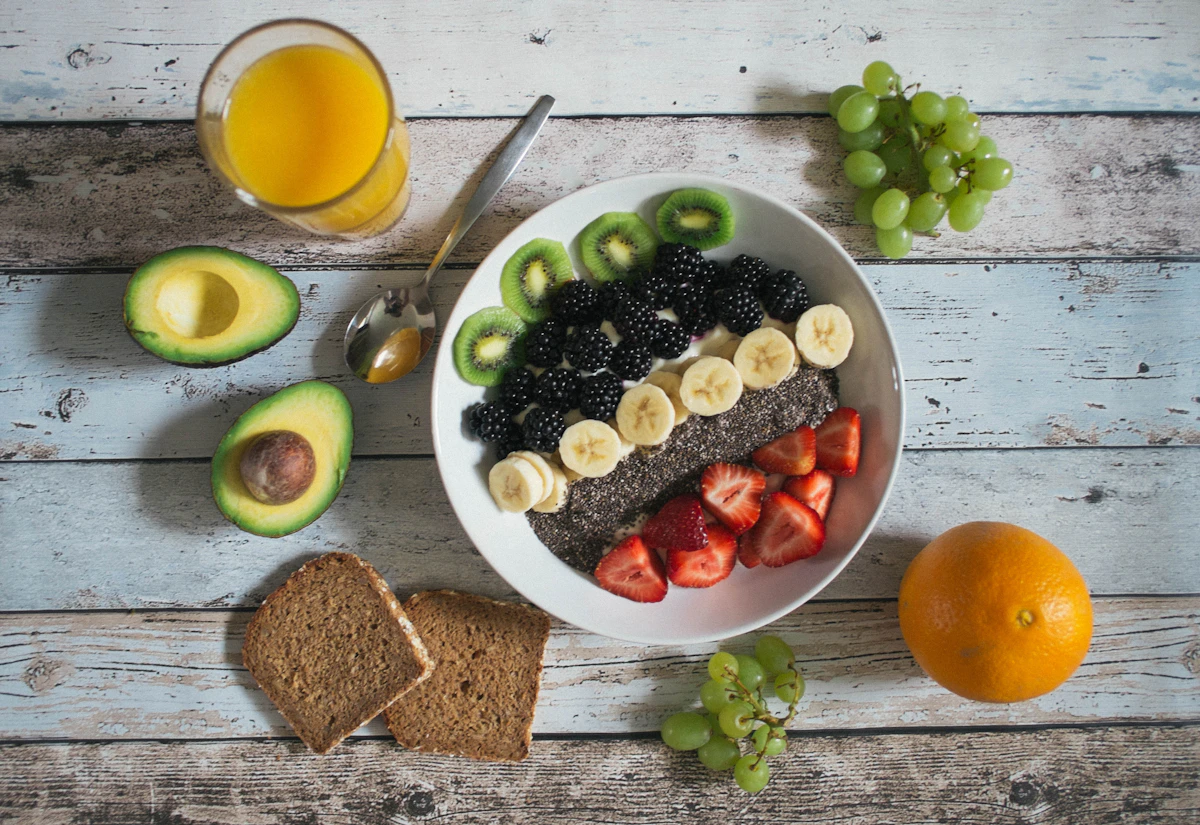
Suhoor should focus on protein, slow carbohydrates, fiber, and hydration. This combination supports fullness and steadier energy through the fasting window.
Good options include eggs with roti and vegetables, Greek yogurt with oats and fruit, lentils with salad, or chicken with whole grains.
Break the Fast Calmly
Avoid turning iftar into a rebound meal
Start with water and a small portion, pause briefly, then build a balanced plate. This reduces overeating after long fasting hours.
Keep fried foods occasional rather than daily, especially if fat loss, digestion, or blood sugar stability is a goal.
Hydrate Between Iftar and Sleep
Hydration is easier when spread across the evening rather than forced all at once. Include water, soups, fruits, and mineral-rich foods.
Caffeine timing matters. Late tea or coffee can reduce sleep quality, which affects cravings and next-day energy.
Protect Protein and Movement
Protein often drops during Ramadan because meals become snack-heavy. Anchor both suhoor and iftar with a clear protein source.
Light walking after iftar can support digestion and glucose control without adding pressure during fasting hours.
Turn the article into your next step
Quick answers before you choose your next step
What should suhoor include for steady energy during fasting?
Protein, slow carbohydrates, fiber, and hydration — such as eggs with roti and vegetables, Greek yogurt with oats and fruit, or lentils with salad.
How can I avoid overeating at iftar?
Start with water and a small portion, pause briefly, then build a balanced plate — this reduces the rebound-overeating pattern that long fasting hours can trigger.
Does Ramadan fasting make it harder to keep protein intake up?
Protein intake often drops because meals become snack-heavy, so anchoring both suhoor and iftar with a clear protein source is important for maintaining fullness and muscle.