Solve the Protein Gap First
Most plant-based diets fall short on protein, not calories. Tofu, tempeh, lentils, chickpeas, edamame, and seitan all deliver 15 to 20 grams of protein per serving and should anchor every meal.
Aim for at least 1.2 to 1.6 grams of protein per kilogram of bodyweight daily during a fat-loss phase, split across three or four plant-protein-forward meals.
Build a Plate That Actually Fills You Up
Volume and fiber do the heavy lifting
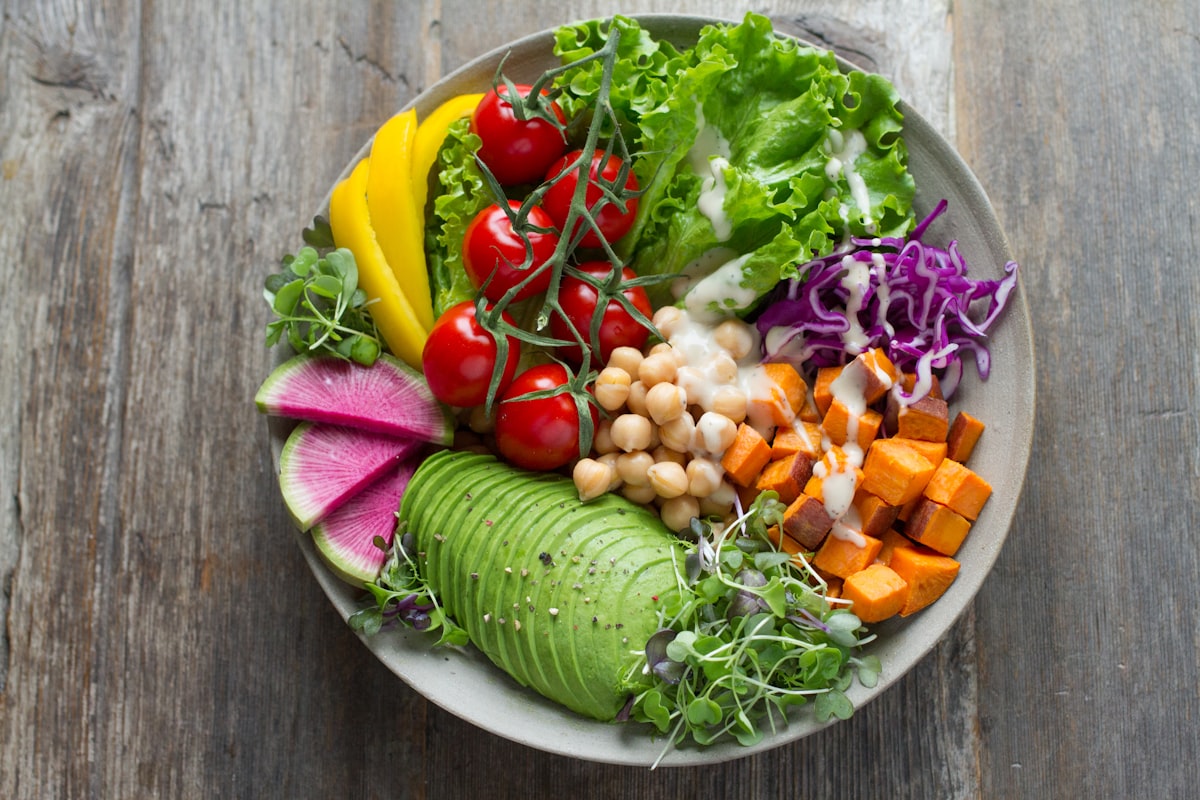
Combine a plant protein, a high-fiber vegetable, a whole grain or starchy vegetable, and a small amount of fat like avocado, nuts, or tahini — this combination slows digestion and extends fullness.
Legumes and whole grains together also form complete protein profiles, so variety across the week matters more than any single "perfect" ingredient.
Avoid the Ultra-Processed Trap
Plant-based does not automatically mean lower-calorie — vegan burgers, dairy-free desserts, and meat substitutes are often highly processed and calorie-dense.
Read labels for added oils and sugar; whole-food plant proteins are usually more filling per calorie than their processed alternatives.
Micronutrients Worth Watching
Vitamin B12, iron, zinc, calcium, and omega-3s need deliberate planning on a fully plant-based diet — a B12 supplement is considered necessary for anyone eating no animal products.
Pair iron-rich plant foods like lentils and spinach with vitamin C sources such as citrus or peppers to improve absorption.
A Sample Day to Start With
Breakfast: tofu scramble with vegetables and whole-grain toast. Lunch: lentil and quinoa bowl with roasted vegetables and tahini. Dinner: chickpea curry with brown rice and a side salad.
Repeat simple templates like this for 2 to 3 weeks before adjusting — consistency reveals what is actually working better than frequent recipe changes.
Turn the article into your next step
Quick answers before you choose your next step
Can you lose weight on a plant-based diet without eating meat?
Yes — the key is closing the protein gap with tofu, tempeh, lentils, chickpeas, and edamame, aiming for 1.2 to 1.6 grams of protein per kilogram of bodyweight daily.
Is plant-based food automatically lower calorie?
No — vegan burgers, dairy-free desserts, and many meat substitutes are often highly processed and calorie-dense, so whole-food plant proteins are usually the better choice for fat loss.
What nutrients should I watch on a plant-based diet?
Vitamin B12, iron, zinc, calcium, and omega-3s need deliberate planning — a B12 supplement is considered necessary for anyone eating no animal products.