Why Protein in the Morning Matters
Morning protein intake increases satiety hormones and helps reduce snacking later in the day. For professionals with long work hours, this is one of the easiest behavior upgrades.
Aim for 25 to 35 grams of protein in your first meal. This can come from eggs, Greek yogurt, tofu, cottage cheese, or quality protein blends paired with fiber-rich foods.
Build a Balanced Plate
Use the 3-part formula
Combine lean protein, slow carbohydrates, and healthy fat. Example: spinach omelet + seeded toast + avocado slices.
Keep preparation simple. Repetition beats complexity when your goal is consistency over the next 12 weeks.
Common Mistakes to Avoid
Avoid ultra-processed breakfast bars marketed as healthy. Most are low in protein and high in sugar alcohols that can trigger hunger rebounds.
If your appetite is low in the morning, start with a lighter protein smoothie and scale up over 1 to 2 weeks.
High-Protein Breakfast Templates
Use repeatable meals instead of daily guesswork
A strong breakfast template includes one protein anchor, one fiber source, one colorful plant food, and one satisfaction element such as avocado, olive oil, nuts, or seeds.
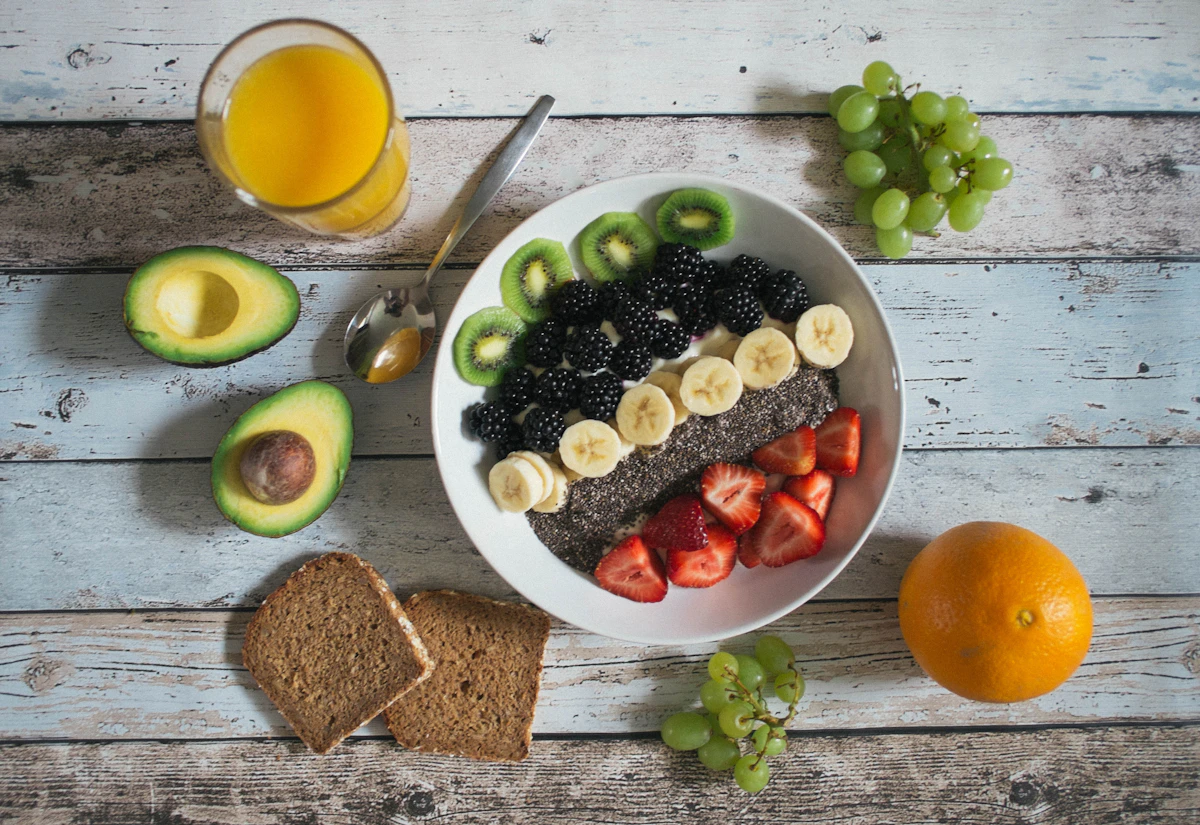
Examples include Greek yogurt with berries and chia, eggs with vegetables and seeded toast, tofu scramble with beans, or a protein smoothie paired with fruit and nuts.
How to Adjust for Fat Loss
For fat loss, keep the protein stable and adjust energy through portions of fats and carbohydrates. This preserves fullness while giving the body a controlled calorie signal.
Track afternoon hunger, evening cravings, and workout energy for two weeks. These signals often show whether breakfast needs more fiber, more protein, or a lighter portion.
Turn the article into your next step
Quick answers before you choose your next step
How much protein should I eat at breakfast for fat loss?
Aim for 25 to 35 grams from sources like eggs, Greek yogurt, tofu, cottage cheese, or a quality protein blend, paired with fiber-rich foods.
What foods should I avoid for a high-protein breakfast?
Avoid ultra-processed breakfast bars marketed as healthy — most are low in protein and high in sugar alcohols that can trigger hunger rebounds later in the day.
What if I have low appetite in the morning?
Start with a lighter protein smoothie and scale up the portion over 1 to 2 weeks rather than forcing a full plate immediately.