Start With Insulin Stability
Many PCOS symptoms are intensified by insulin resistance. Build meals that combine protein, fiber, and controlled carbohydrate portions.
Spacing meals 3 to 4 hours apart helps avoid repetitive grazing and supports a clearer hunger rhythm.
Nutrients That Support Hormonal Health
Focus on quality first
Magnesium-rich foods, omega-3 sources, and zinc-containing meals can support hormonal pathways and inflammation control.
Consistency for at least 8 to 12 weeks is essential before evaluating progress.
Lifestyle Multipliers
Sleep regularity and strength training are major multipliers for PCOS outcomes. Nutrition alone is powerful, but paired interventions perform better.
Track cycle length, energy, and cravings weekly to observe meaningful trend changes.
Build an Insulin-Friendly Plate
Make every meal easier to repeat
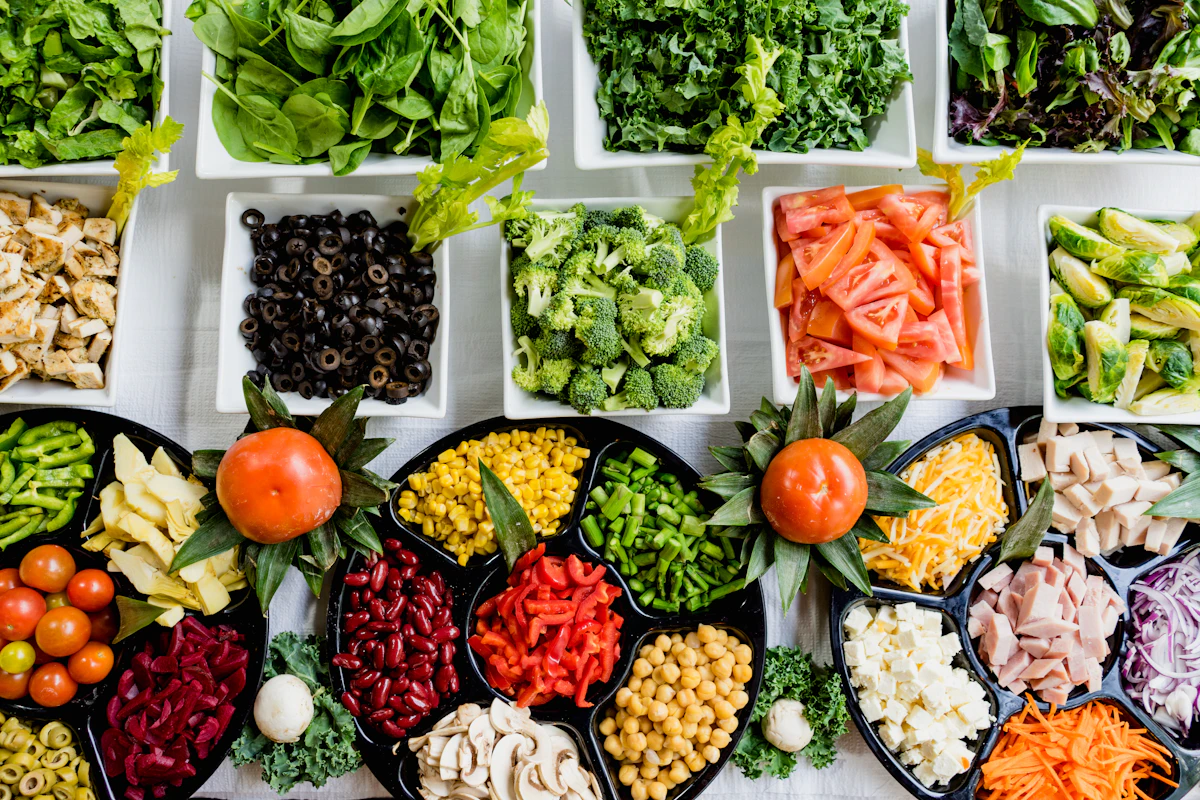
Start with protein, add high-fiber vegetables, choose a controlled portion of slow carbohydrate, then include a small amount of healthy fat for satisfaction.
This structure helps reduce glucose swings and makes meals easier to adapt across Pakistani, Middle Eastern, European, or North American food routines.
What to Track for Better Decisions
PCOS progress is not measured by weight alone. Track cravings, energy dips, cycle length, acne changes, sleep quality, waist measurement, and lab markers when available.
A weekly review makes the plan feel less emotional. Instead of guessing whether the diet is working, you can adjust meals based on real patterns.
Turn the article into your next step
Quick answers before you choose your next step
How often should I eat with PCOS?
Space meals 3 to 4 hours apart to avoid repetitive grazing and support a clearer hunger rhythm, building each plate around protein, fiber, and controlled carbohydrate portions.
How long before a PCOS diet plan shows results?
Consistency for at least 8 to 12 weeks is essential before evaluating progress — track cycle length, energy, and cravings weekly to spot real trends.
Does nutrition alone manage PCOS symptoms?
Nutrition is powerful, but sleep regularity and strength training are major multipliers — paired interventions consistently outperform diet changes alone.
