Why Fiber and Sodium Are the Two Levers That Matter Most
Soluble fiber from oats, beans, and lentils binds cholesterol in the digestive tract and helps lower LDL over 4 to 6 weeks of consistent intake. Aim for at least 25 to 30 grams of total fiber daily.
Sodium works the opposite way on blood pressure. Most excess sodium comes from packaged and restaurant food, not the salt shaker, so cooking more meals at home is usually the single biggest lever.
Choose Fats That Work For Your Arteries
Not all fats affect cholesterol the same way
Replace saturated fats — found in fried foods, fatty cuts of meat, and butter — with unsaturated sources like olive oil, nuts, seeds, and fatty fish.
Fatty fish such as salmon, mackerel, and sardines twice a week supply omega-3s that support healthy triglyceride levels.
Build a Heart-Healthy Plate
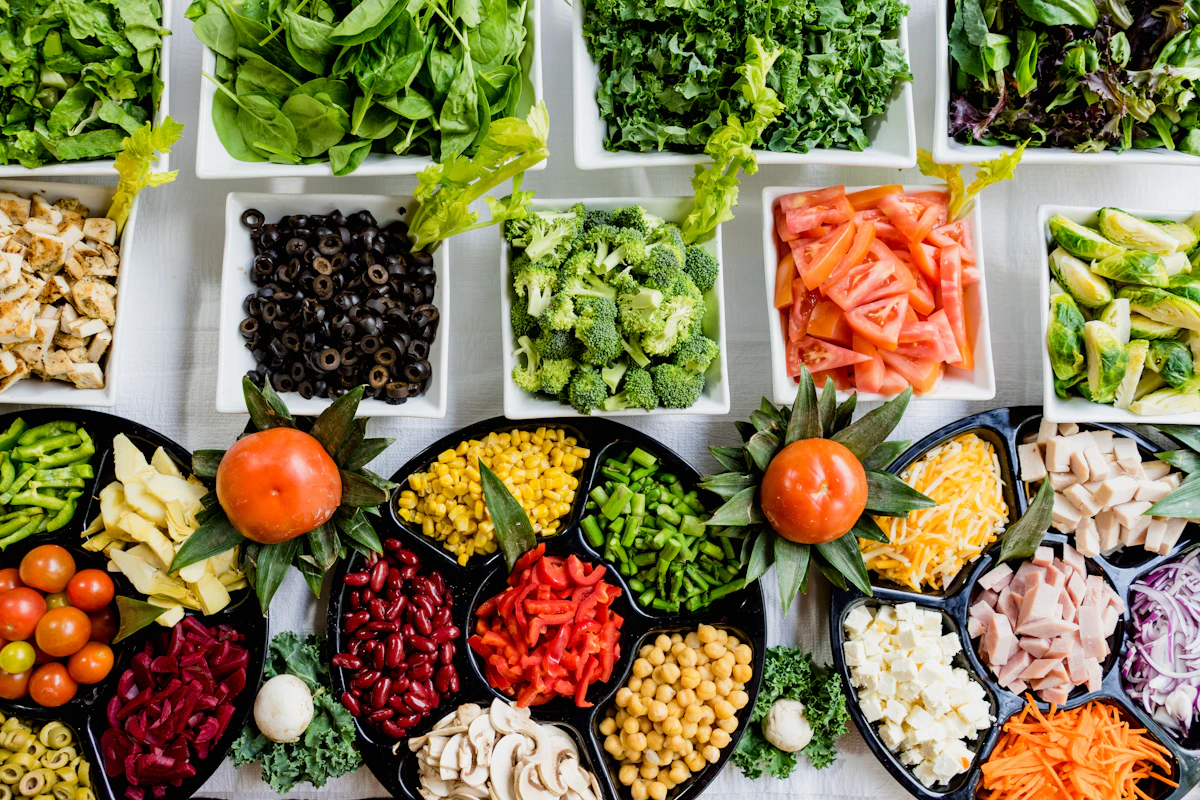
Fill half the plate with vegetables and fruit, a quarter with whole grains like oats, quinoa, or brown rice, and a quarter with lean protein or legumes, finished with a drizzle of olive oil.
This structure naturally raises potassium and fiber while lowering sodium and saturated fat, without needing to count every gram.
Common Mistakes That Stall Progress
"Low-fat" packaged snacks often replace fat with refined sugar and sodium, which can worsen triglycerides and blood pressure despite the label.
Skipping potassium-rich foods like bananas, potatoes, and leafy greens is a common oversight — potassium helps counter sodium's effect on blood pressure.
What to Track Over Time
Blood pressure readings, waist circumference, and lipid panel results (LDL, HDL, triglycerides) every 3 months give a clearer picture than daily weight alone.
Give any heart-healthy eating pattern at least 8 to 12 weeks before reassessing — cholesterol and blood pressure respond to consistency, not single meals.
Turn the article into your next step
Quick answers before you choose your next step
What foods lower cholesterol fastest?
Soluble fiber from oats, beans, and lentils binds cholesterol in the gut and can help lower LDL within 4 to 6 weeks of consistently eating 25 to 30 grams of total fiber daily.
Does cutting salt really lower blood pressure?
Yes — most excess sodium comes from packaged and restaurant food rather than the salt shaker, so cooking more meals at home is usually the biggest single lever for blood pressure.
How often should I eat fish for heart health?
Aim for fatty fish like salmon, mackerel, or sardines twice a week to supply omega-3s that support healthy triglyceride levels.