Start With Meal Architecture
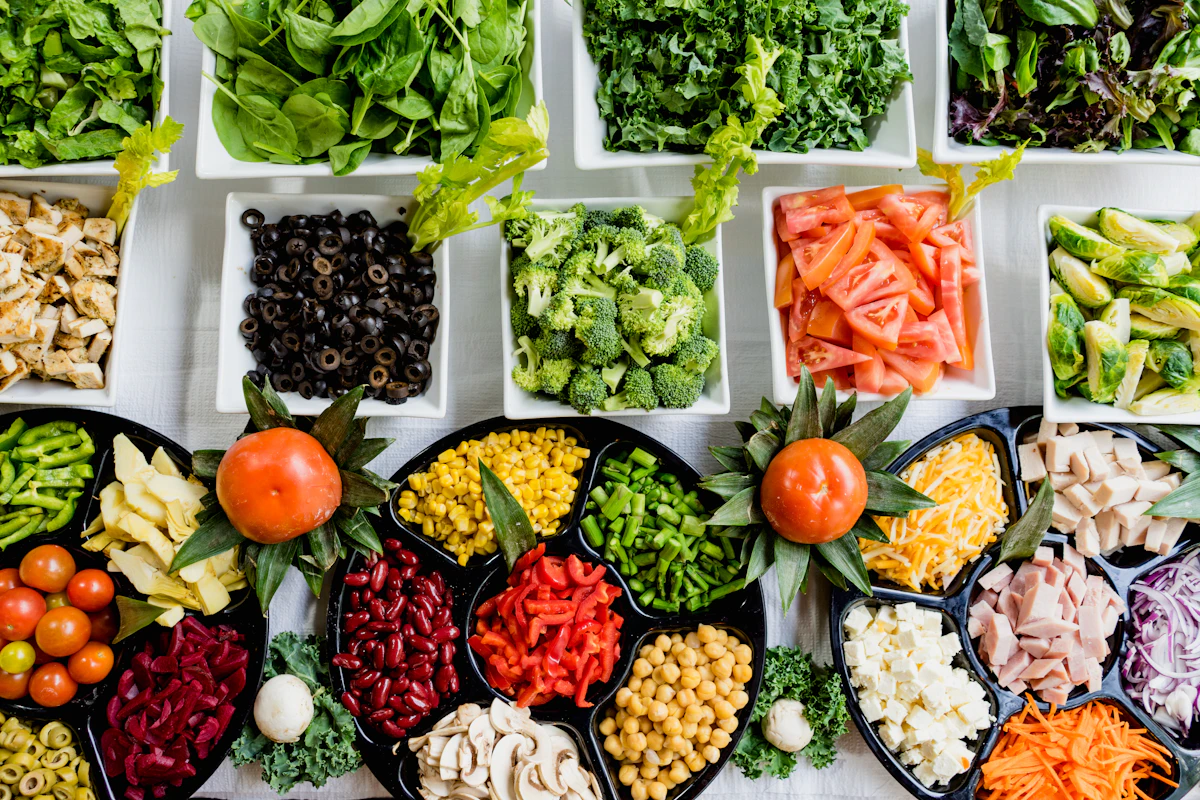
A diabetes-friendly plate usually starts with non-starchy vegetables, adds lean protein, includes a measured slow carbohydrate, and finishes with a healthy fat or flavor element.
This structure lowers decision fatigue because the food can change while the plate logic stays the same.
Choose Carbohydrates With Context
Portion and pairing matter
Rice, roti, potatoes, oats, beans, and fruit can fit many diabetes plans when portions are intentional and paired with protein and fiber.
The question is not only what carbohydrate you eat, but how much, how often, and what surrounds it on the plate.
Use Family Meals Strategically
Separate diet food often fails because it isolates the client. A better approach is to adjust the shared meal: add salad, increase protein, reduce refined portions, and improve timing.
When the family meal supports the plan, consistency improves without extra cooking burden.
Track Trends, Not Single Readings
One glucose reading is information, not a verdict. Review patterns around breakfast, late dinners, stress, sleep, and walking after meals.
These trends help a nutritionist refine meal timing and food pairings with much more confidence.
Turn the article into your next step
Quick answers before you choose your next step
Can diabetic meal plans include rice, roti, or potatoes?
Yes — these can fit many diabetes plans when portions are intentional and paired with protein and fiber. The key is how much and how often, not total avoidance.
Do I need to cook separate meals for a family member with diabetes?
No — adjusting the shared family meal (more salad, more protein, reduced refined portions, better timing) usually works better than isolating one person with separate diet food.
Is one high blood sugar reading a sign the plan isn't working?
One reading is information, not a verdict — reviewing patterns around breakfast, late dinners, stress, sleep, and post-meal walking gives a much clearer picture.